The single biggest determinant of how a car drives below seven degrees is not the suspension, the four-wheel drive, or the electronics. It is the four small patches of rubber in contact with the road.
A summer tyre below seven degrees is, at best, working at half its grip. A winter tyre at the same temperature is at full grip. This is true on dry tarmac as well as on snow. The marketing has confused this for thirty years; the physics has not changed.
The question is whether seven days of below-seven-degree tarmac in Cambridgeshire are worth the £600 of a winter tyre set, plus the storage and the fitting twice a year. For most owners, with most cars, the honest answer is: not really, no.
Where it does change the math
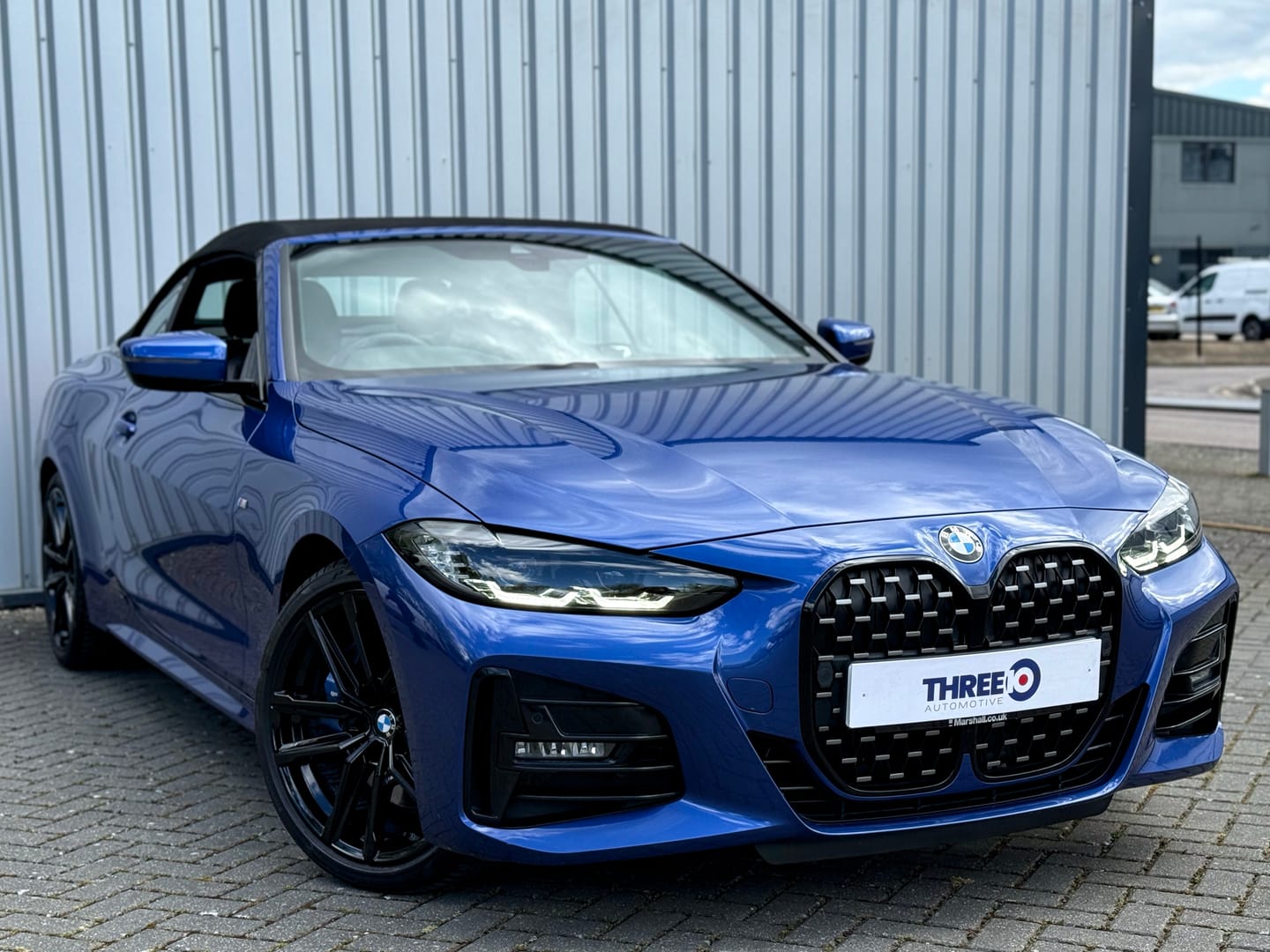
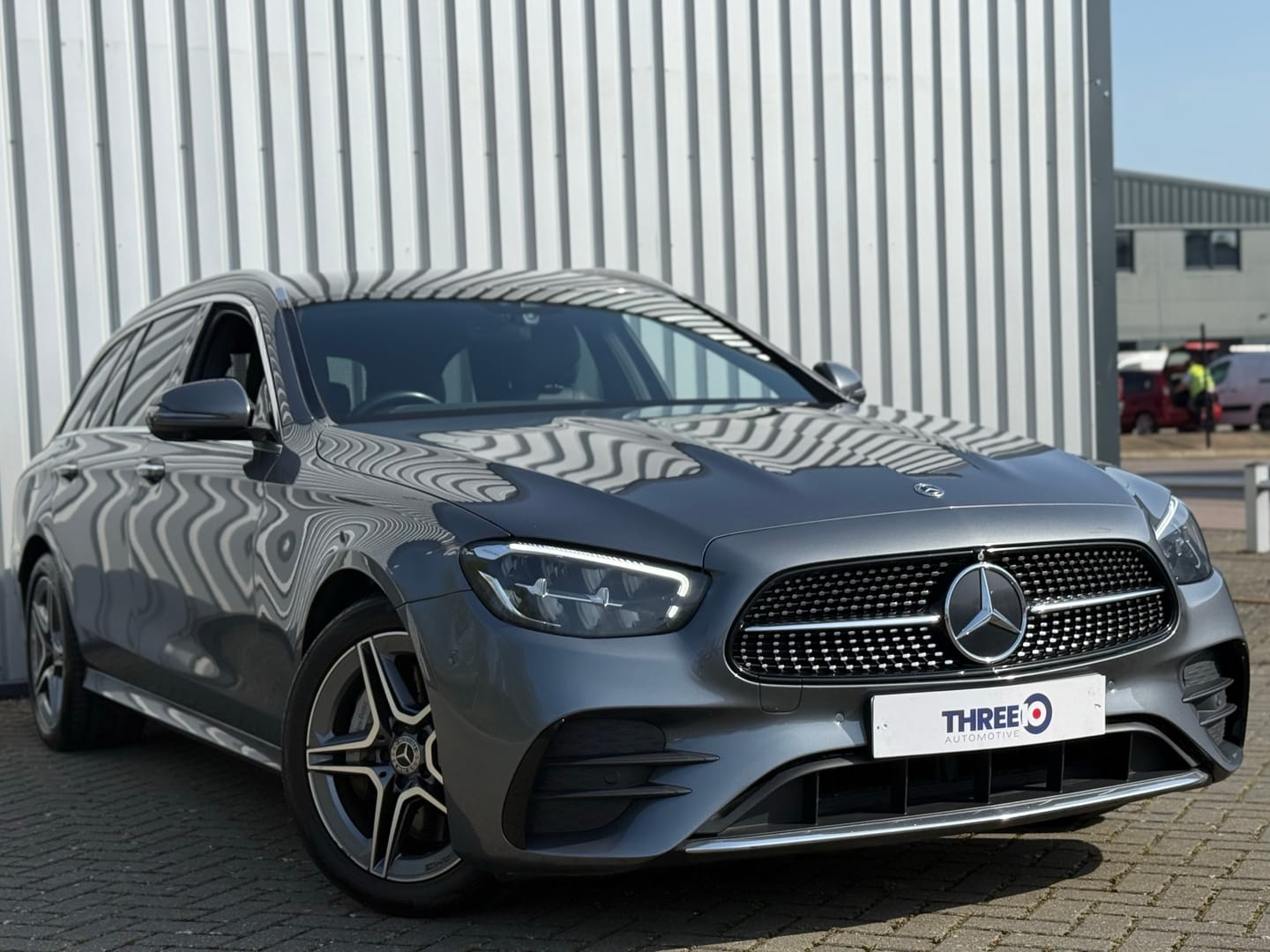
If you have an AMG, an M-car, or anything else with low-profile summer rubber and meaningful power, the change is dramatic. A 4-Series M Sport on Continental SportContact 7s in February is a car you will dread. The same car on a winter set — Michelin Pilot Alpin 5, or the Conti WinterContact equivalent — is a car you will not notice has changed seasons.
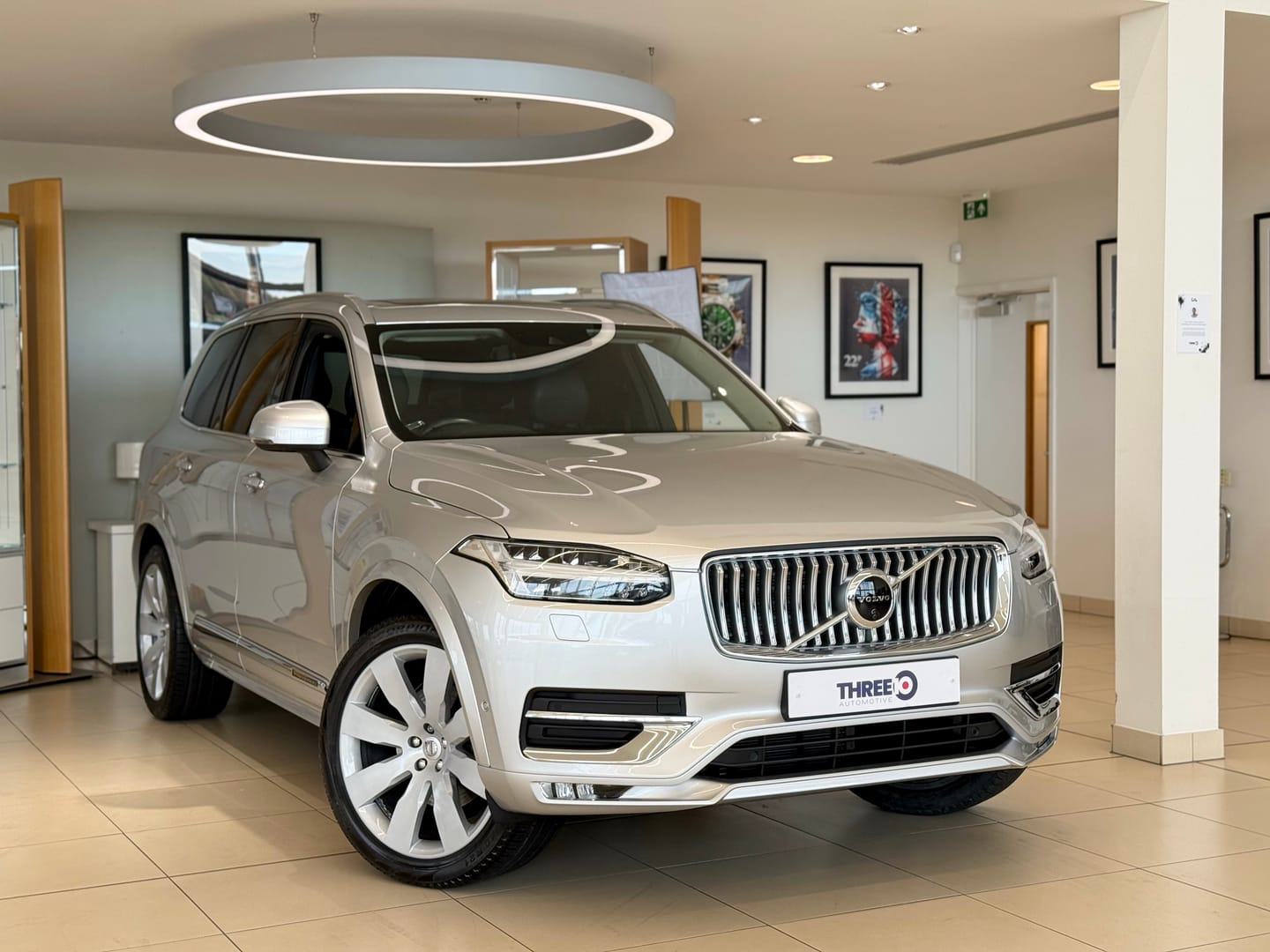
If you have an XC90 with Geländefit road tyres, you have winter capability built in by the factory. If you have a small petrol hatch on hard-rubber 16s, the factory has done it for you too.
WHAT WE FIT
On the AMG and M cars: dedicated winter sets, on a separate set of wheels, swapped in November and out in March. We charge for the swap and storage at cost. On the everyday cars: a four-season tyre with the 3PMSF mountain-snowflake rating — Michelin CrossClimate 2, Continental AllSeasonContact 2 — fitted year-round. The compromise is small, the convenience is large.
If you would like a recommendation for your specific car — current treads, expected use, budget — bring it in or send the registration. We do not charge for opinions, and we do not push tyres you do not need.